
Postmates Serve
The goal

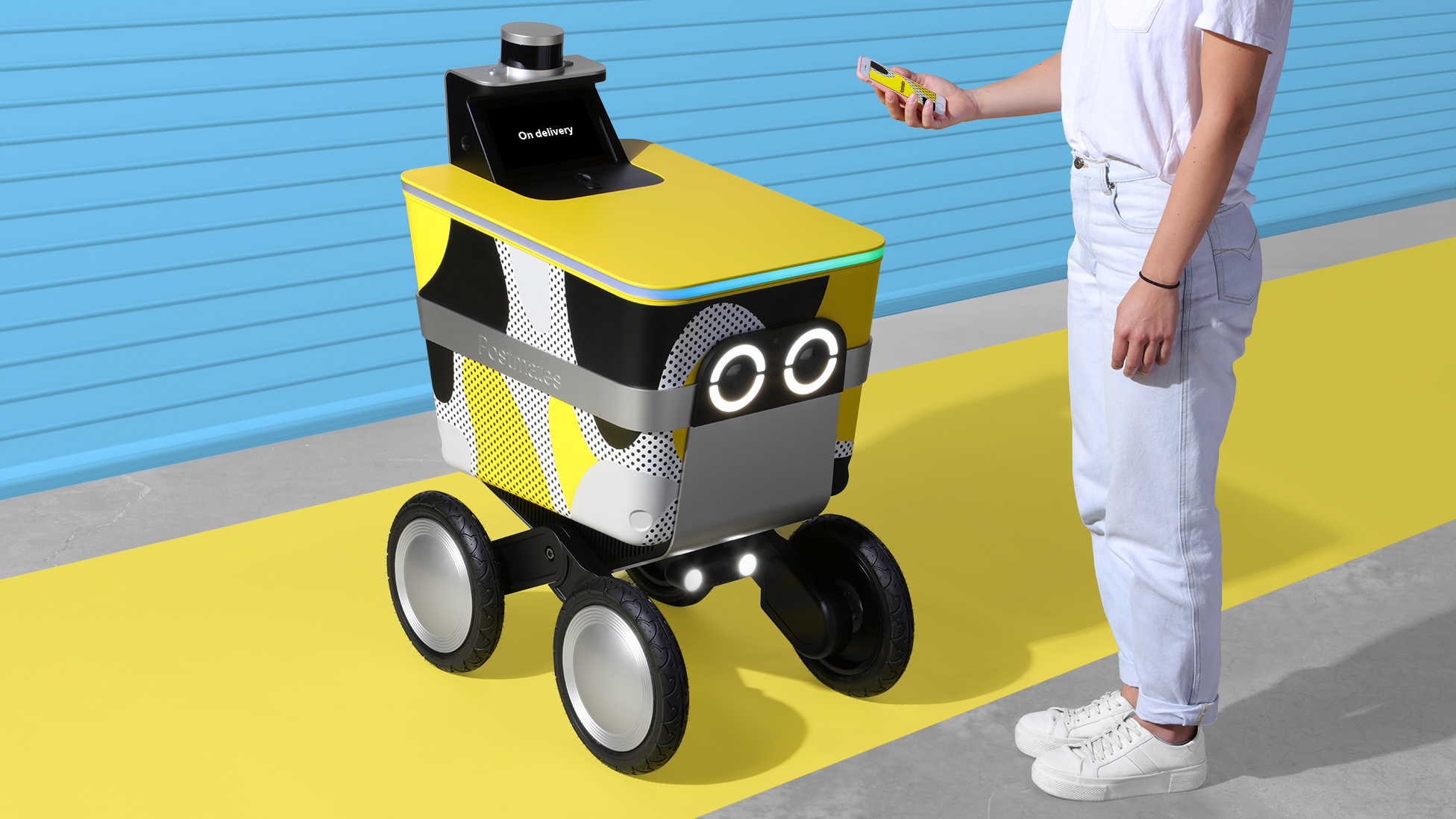
Postmates approached New Deal Design to design their first autonomous delivery robot for their on-demand delivery service and fit into their “Fresh AF” brand.
My role
Industrial design
UX/UI design
Duration
6 months
Team
5 Industrial designers
2 UX designers
Project manager
Project objectives


Become an integrated part of the urban environment.

Design a robot people will love.

Design a robot people will trust.
“Somehow, as a society, we are ok with the fact that we are moving a two-pound burrito 🌯 with a two-ton car 🚗.”
- Ali Kashani, former VP of Robotics at Postmates
Inspiration
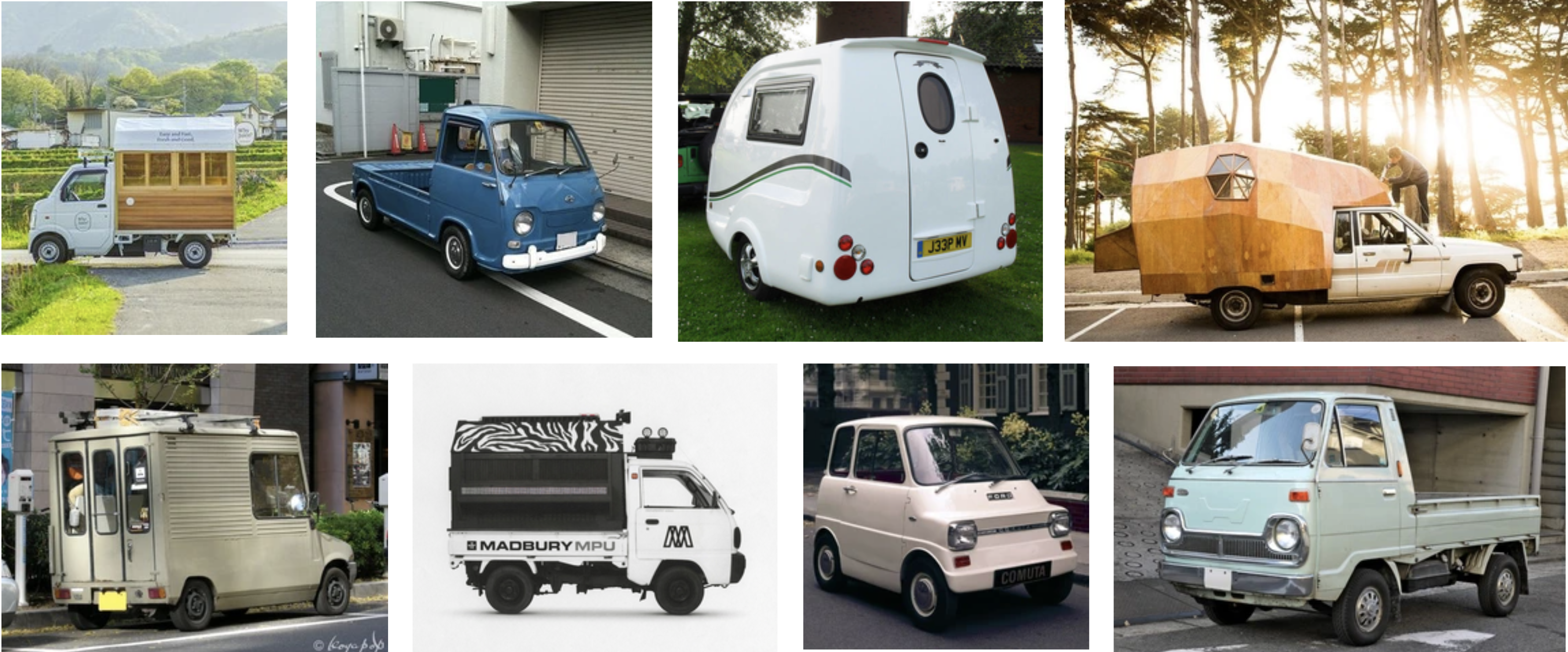
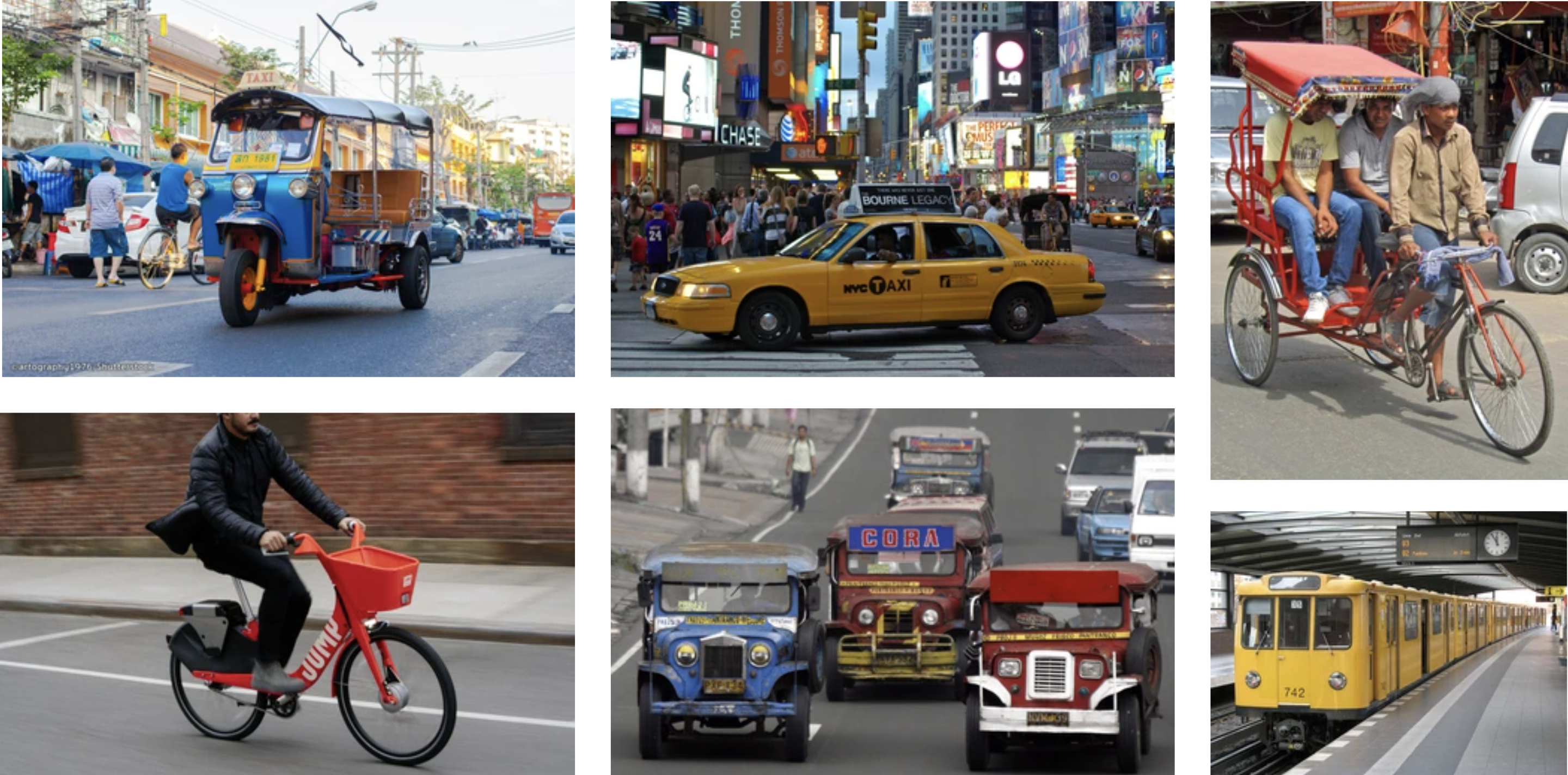
“Funky Wheels”
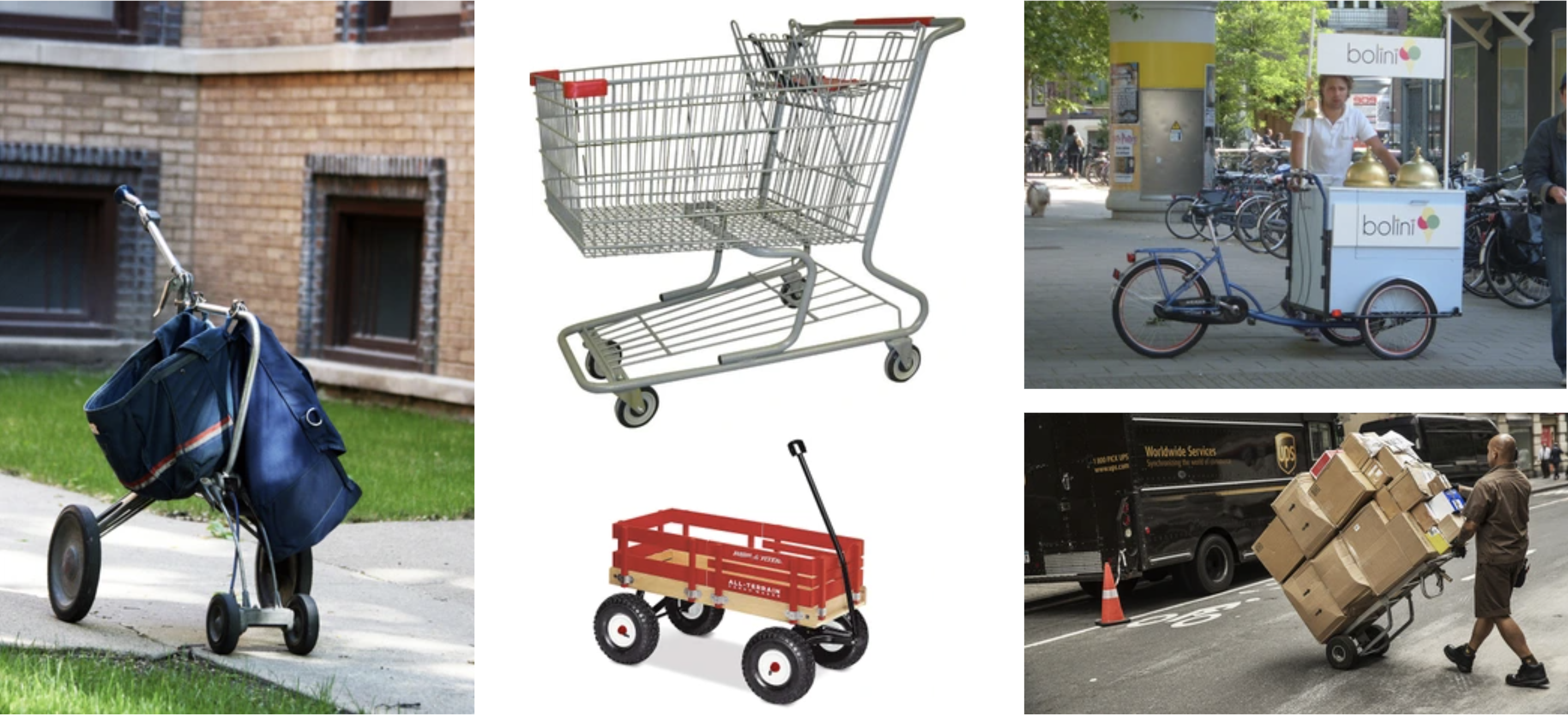
“Delivery Tools”
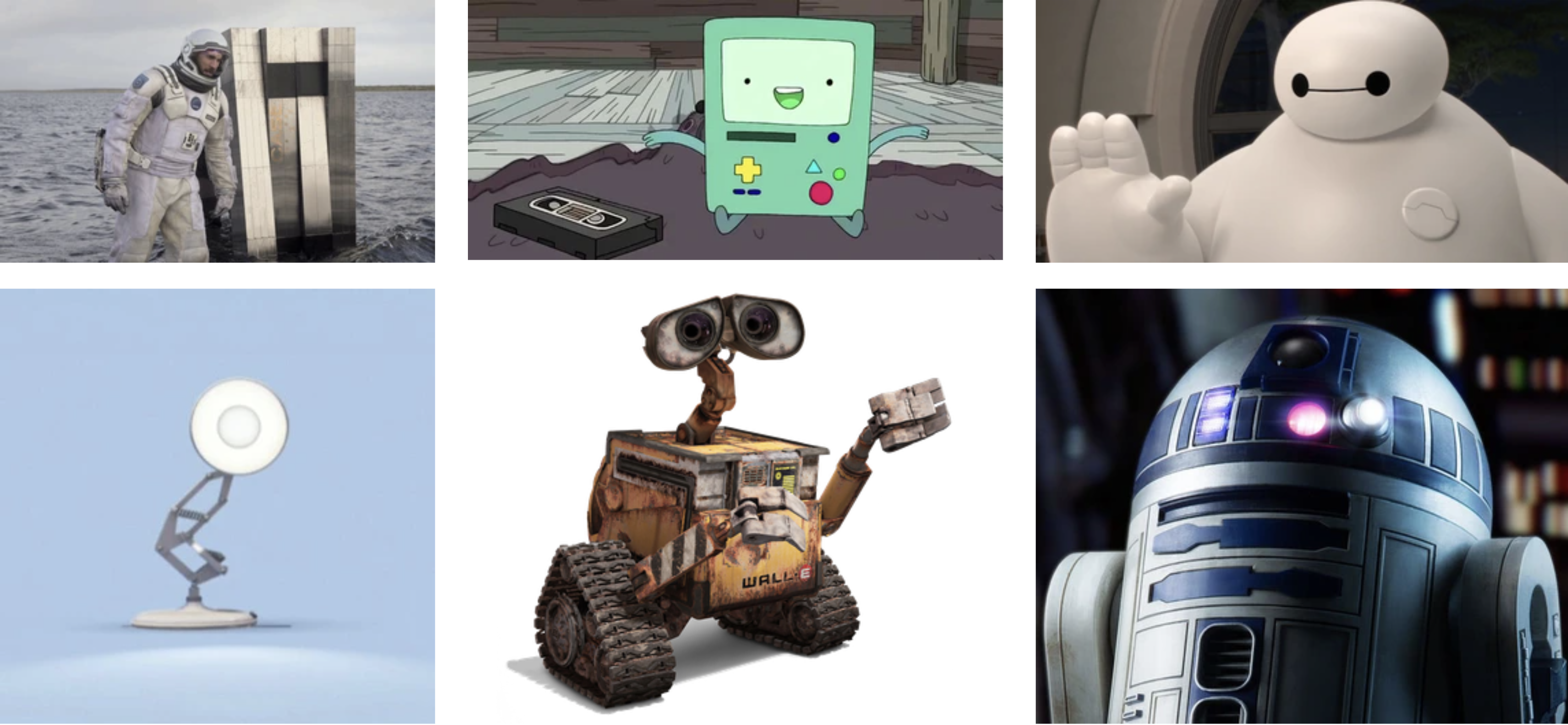
“Robots We Love”
“Urban Infrastructure”
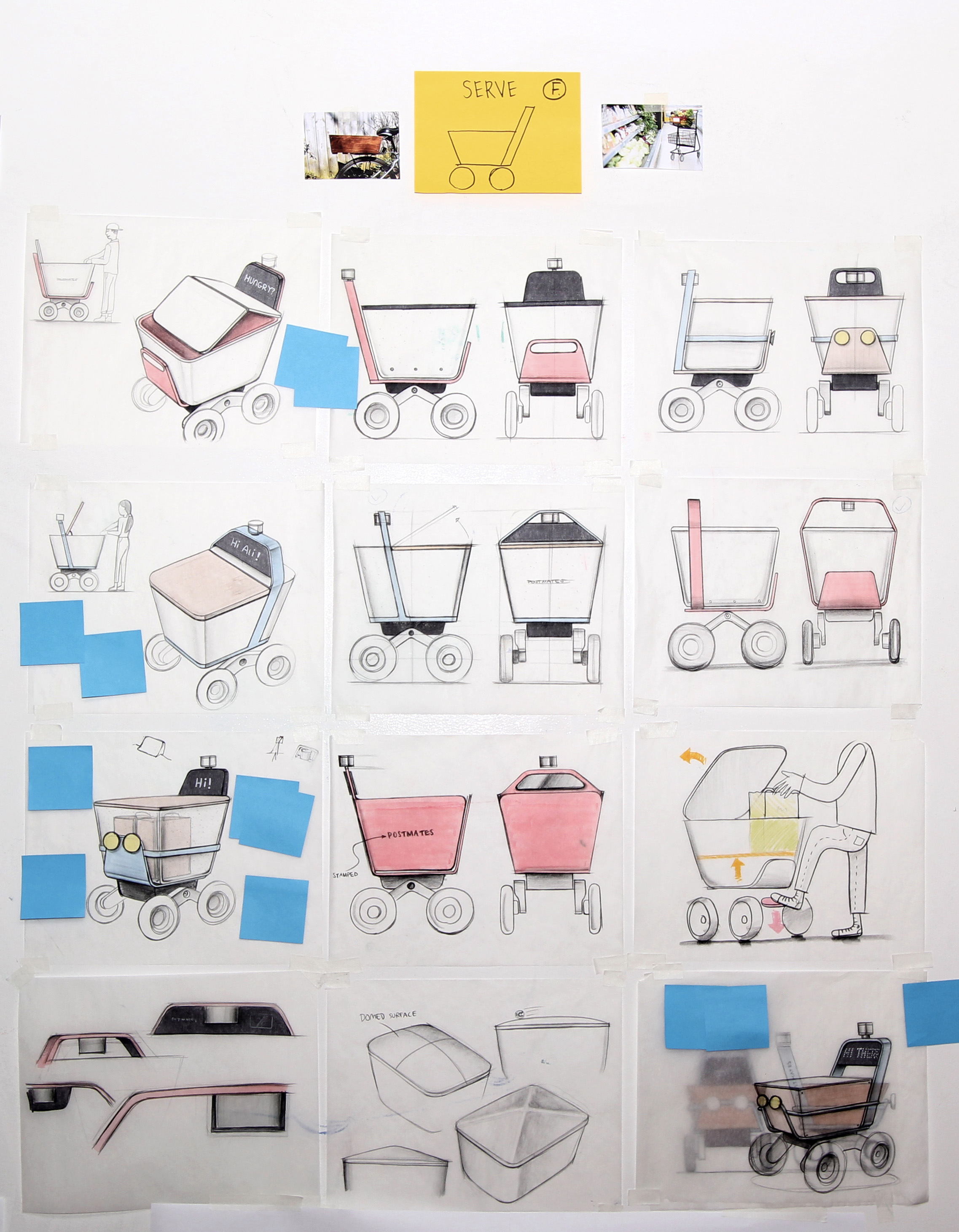
Industrial design to house an advanced tech stack
Designing an iconic delivery robot required extensive form exploration while seamlessly integrating a complex technology architecture. Early concepts pushed distinctive silhouettes while accommodating critical components such as LiDAR, ultrasonic sensors, batteries, and the drivetrain.
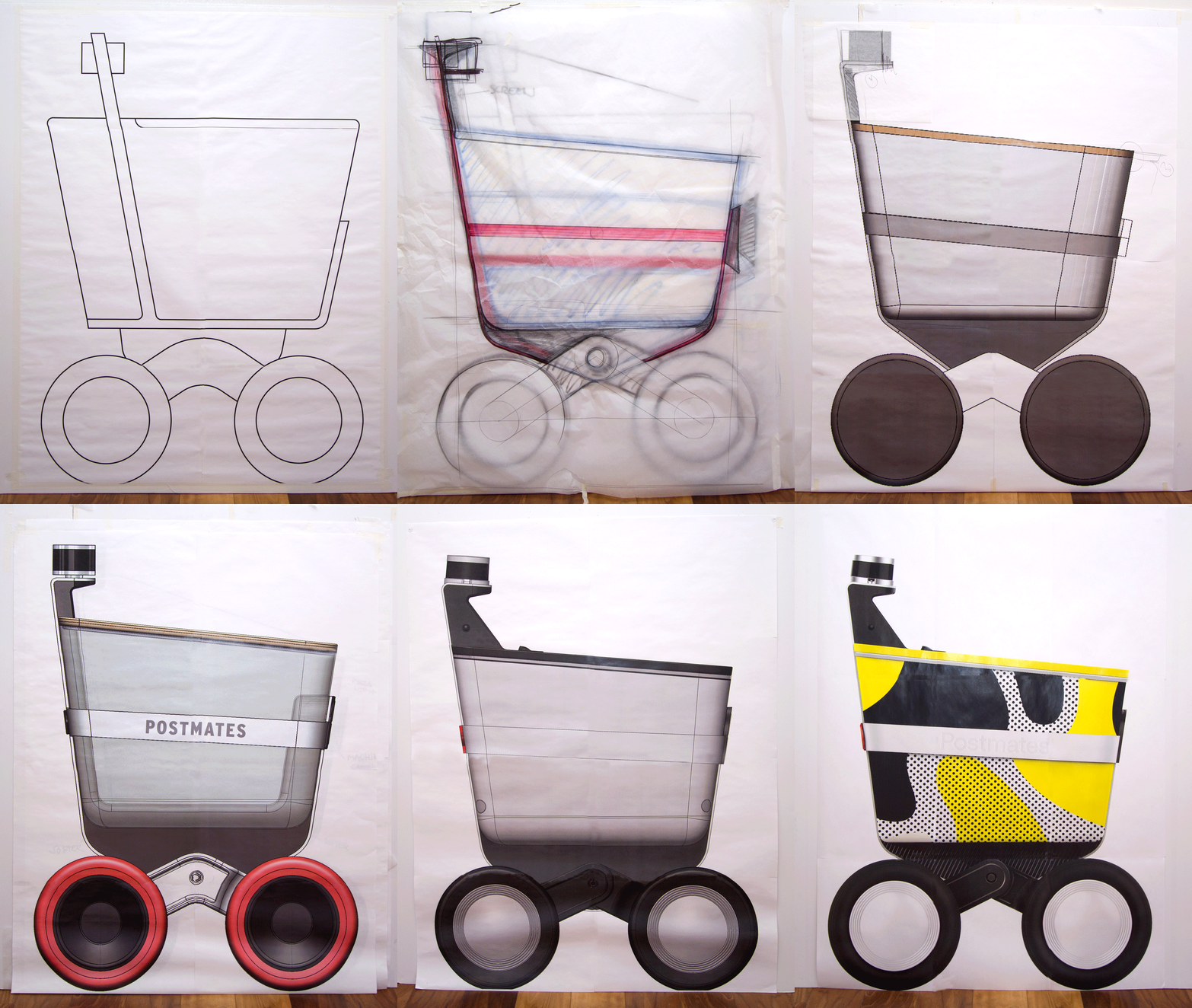
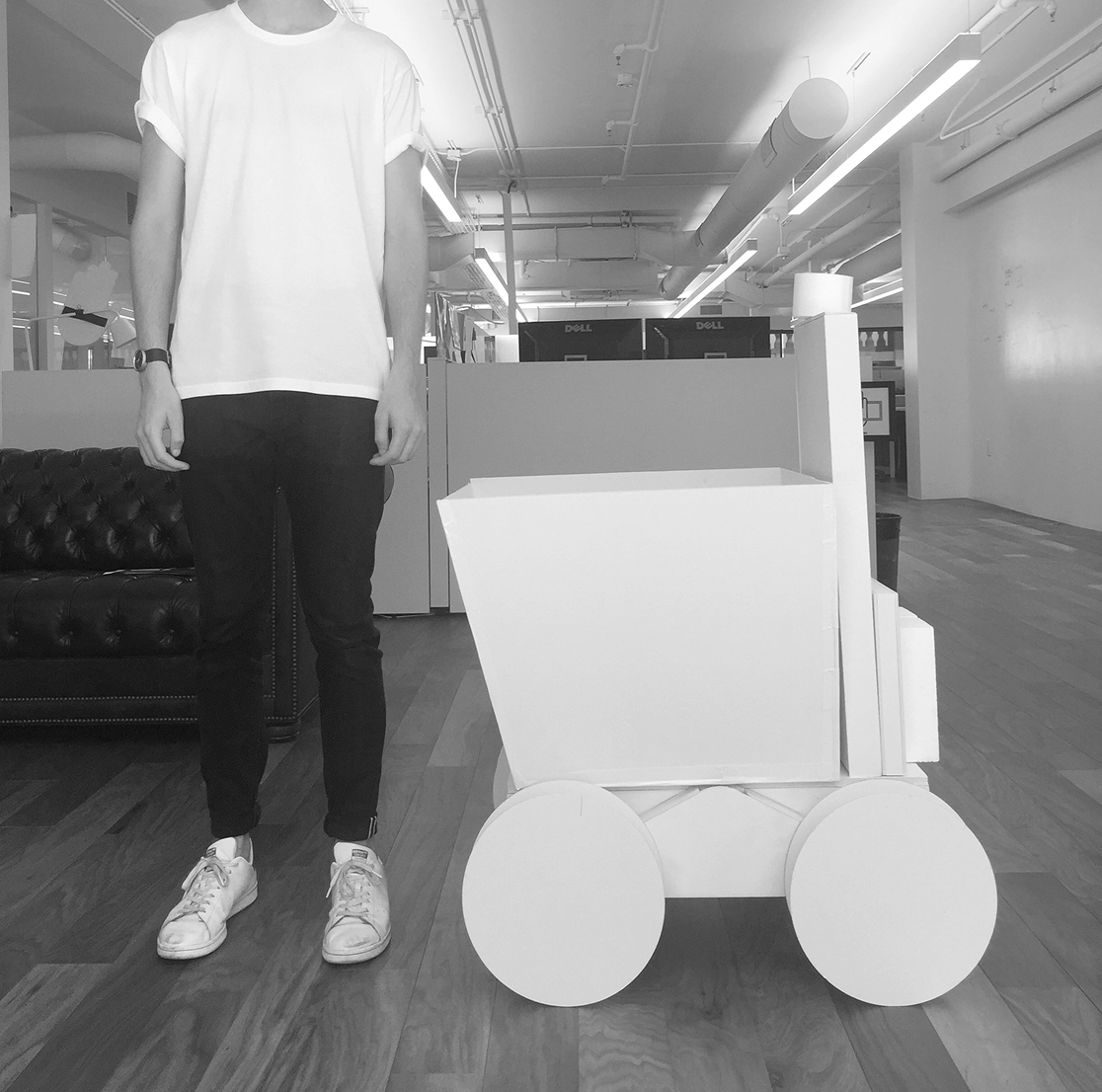
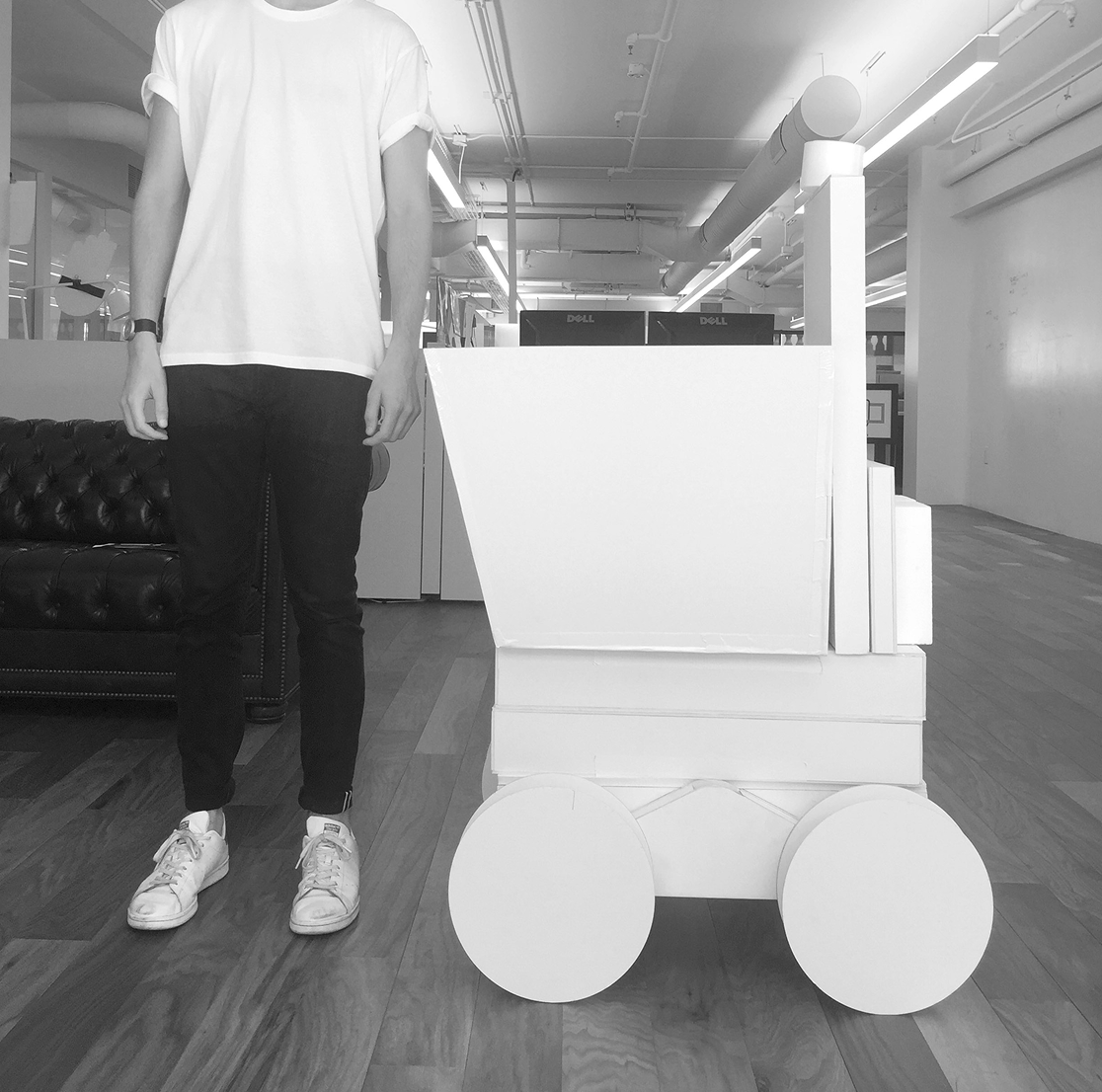
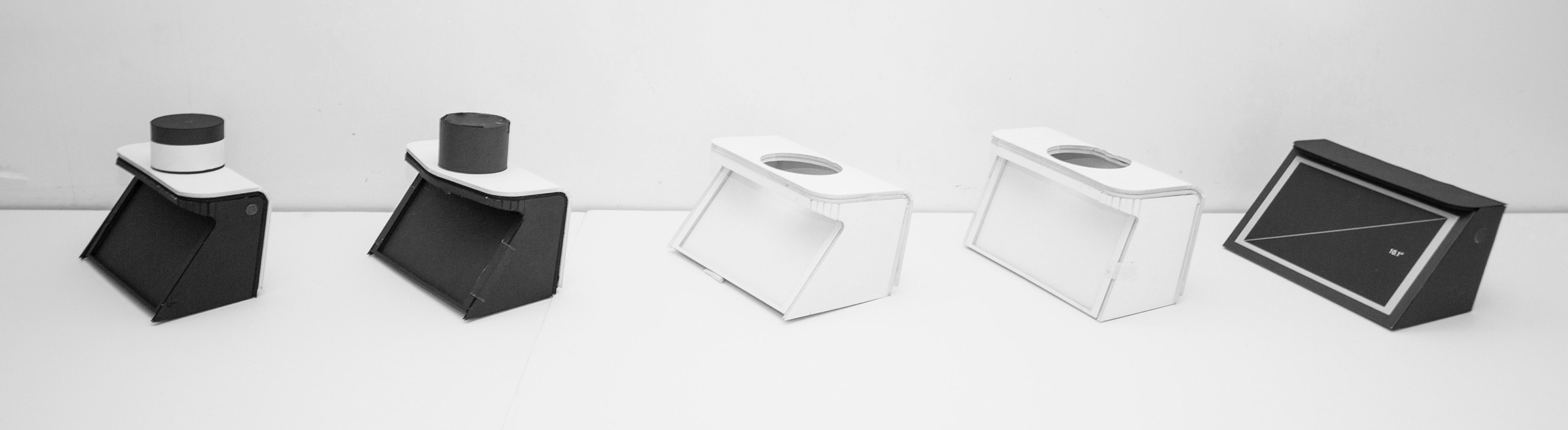
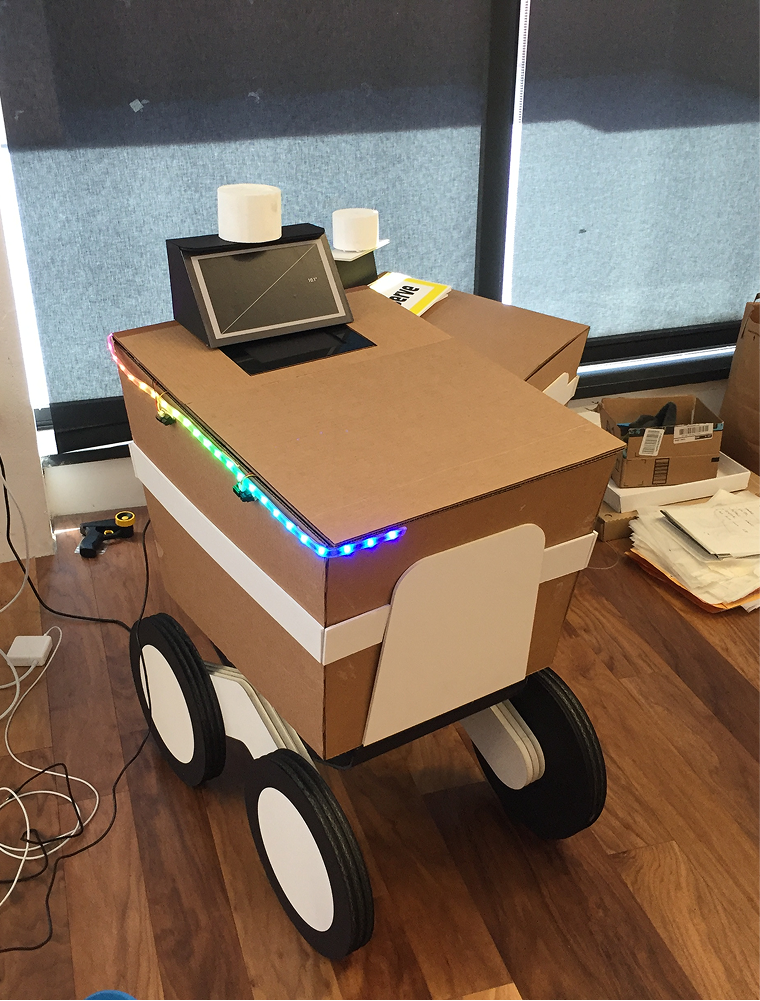
As the concept direction narrowed, quarter-scale models enabled rapid iteration on proportion and form, while full-scale mockups and detailed drawings validated scale, usability, and human interaction, ensuring the final form was both expressive and considered the tech.

Defining the interaction architecture
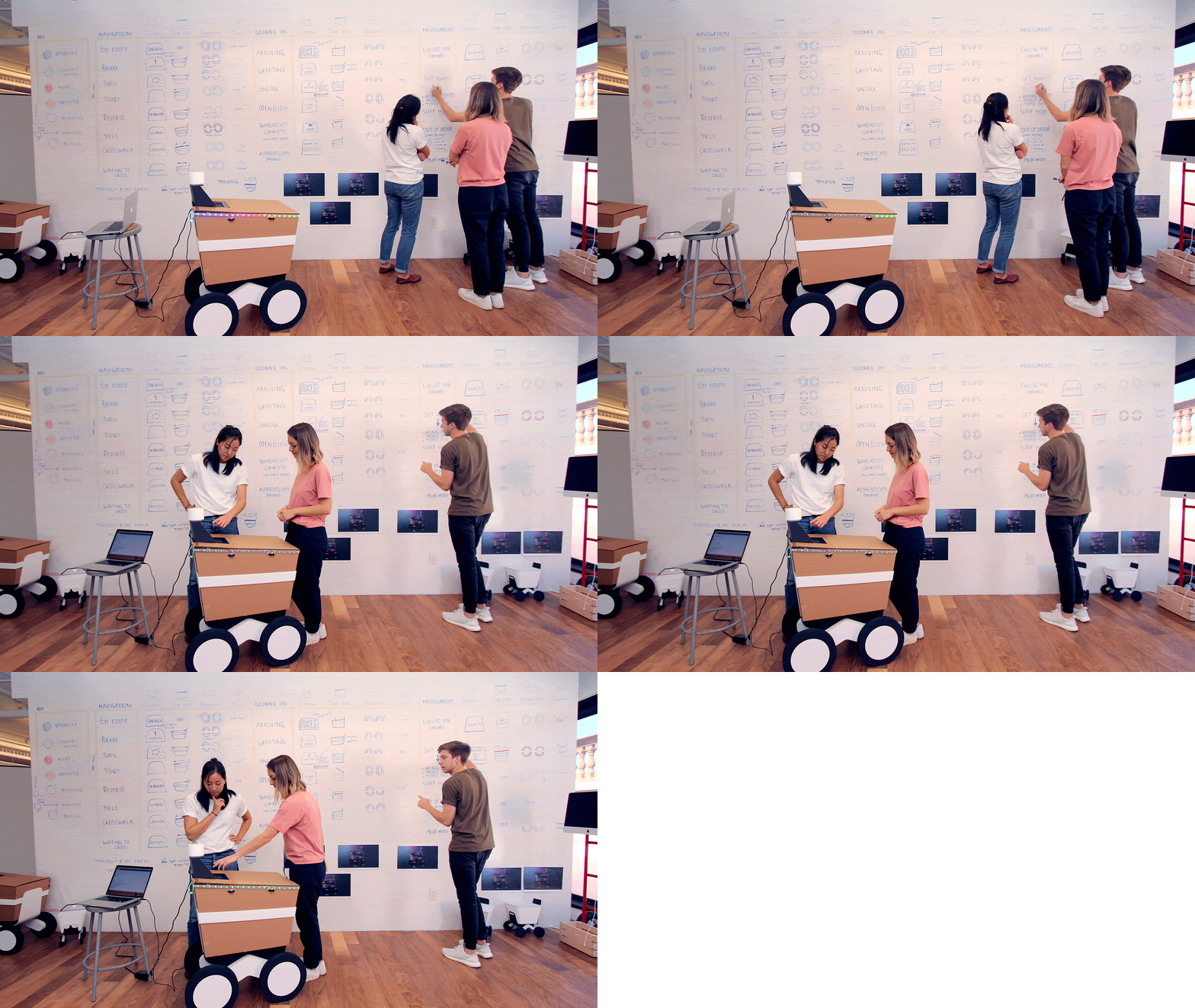
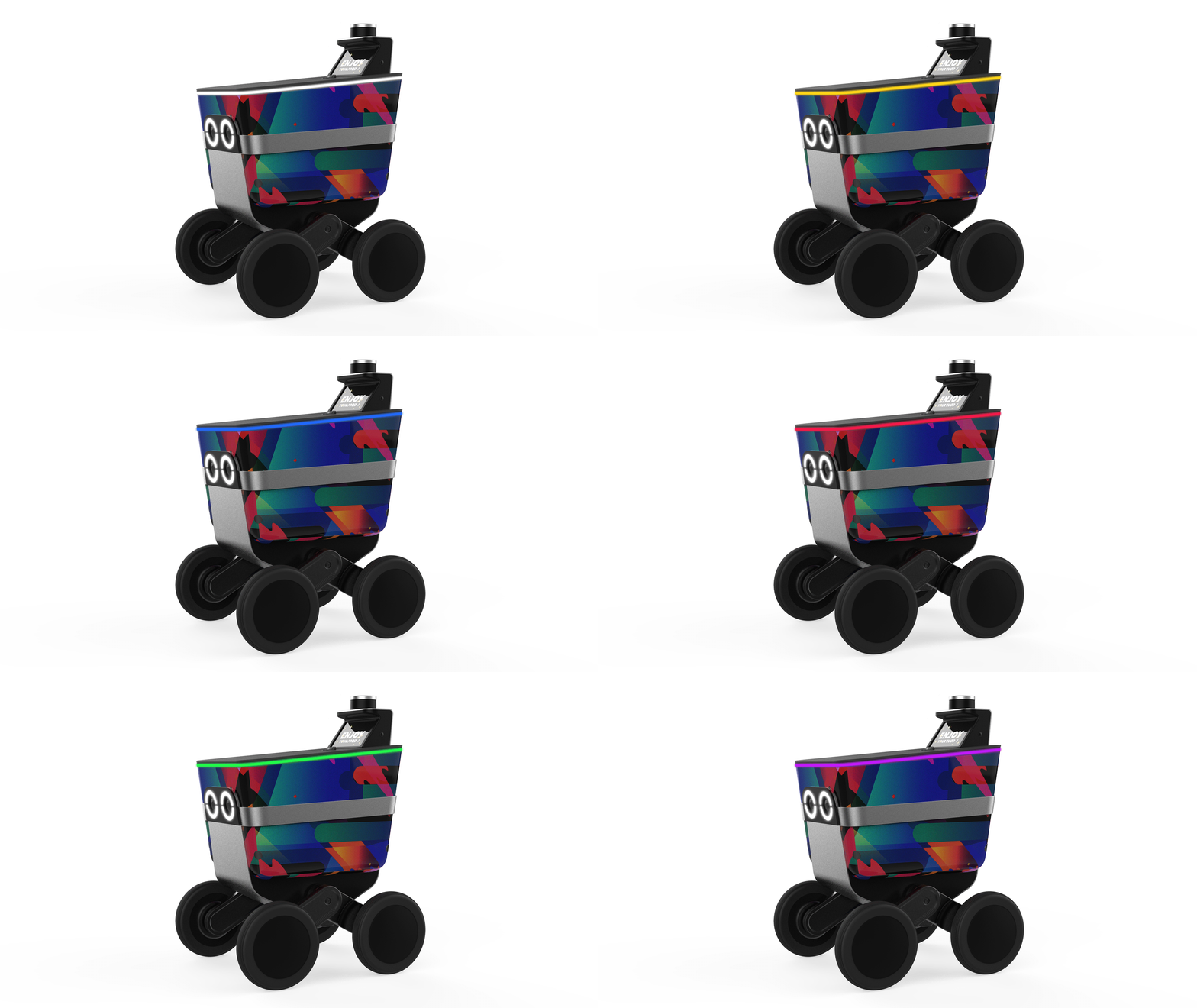
I worked with the UX team to define three levels of interaction: 5ft for customers and close onlookers, 10ft for passing pedestrians, and 30ft for vehicles. We then developed a visual interaction language for each level and mapped them across the full journey, from navigation and customer-facing moments to public, street-facing touch points.
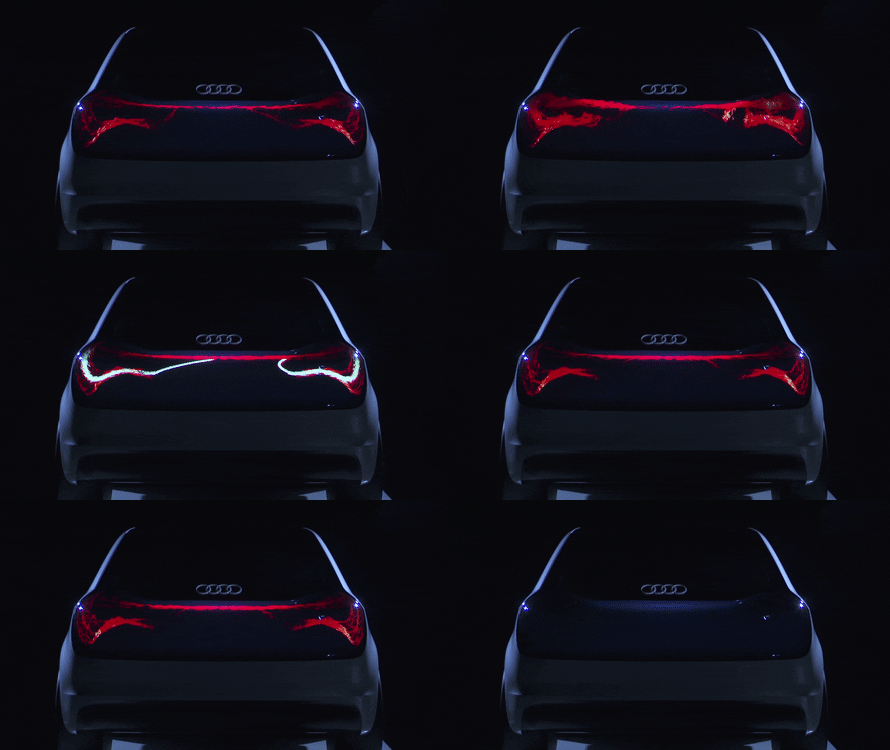

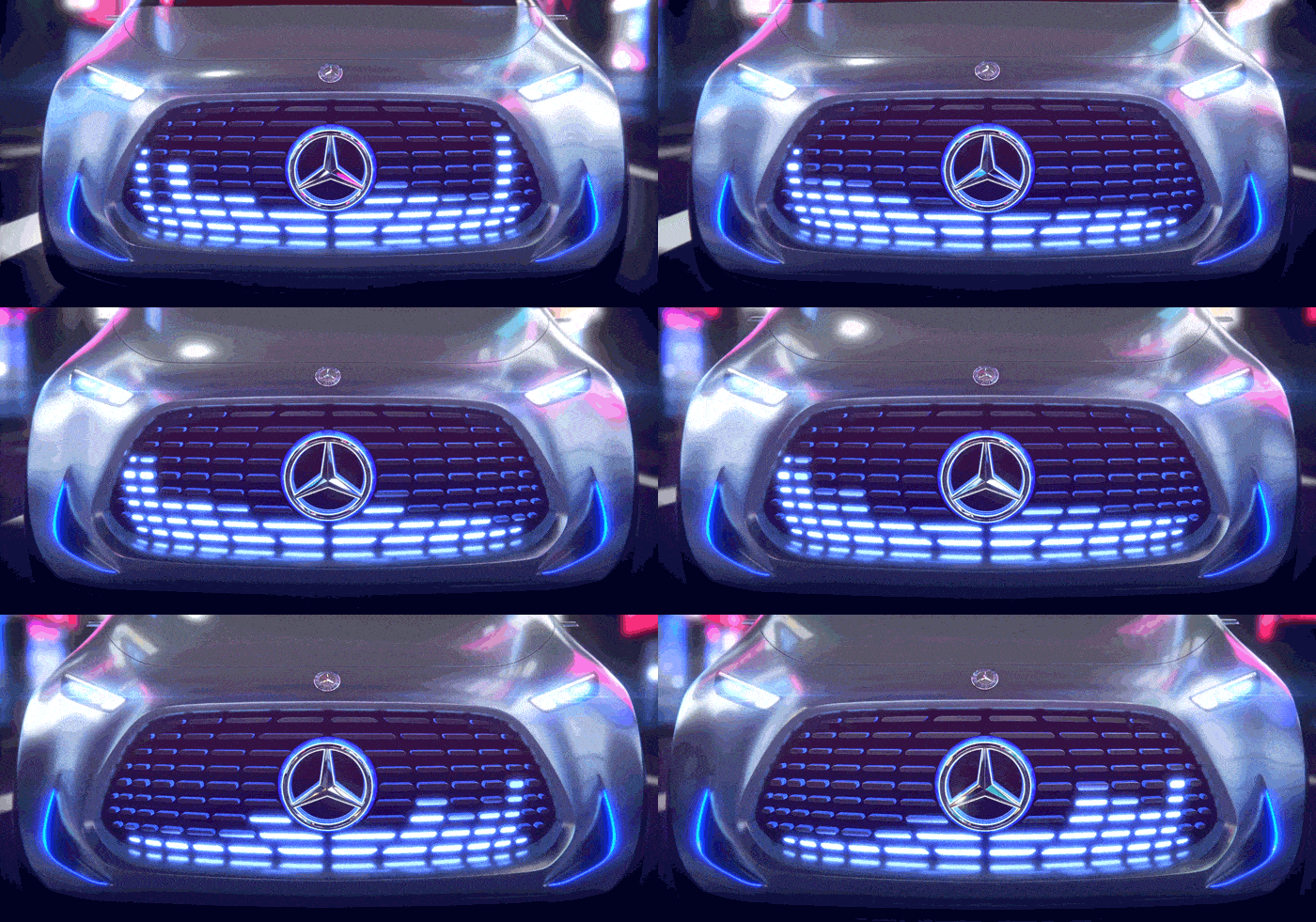
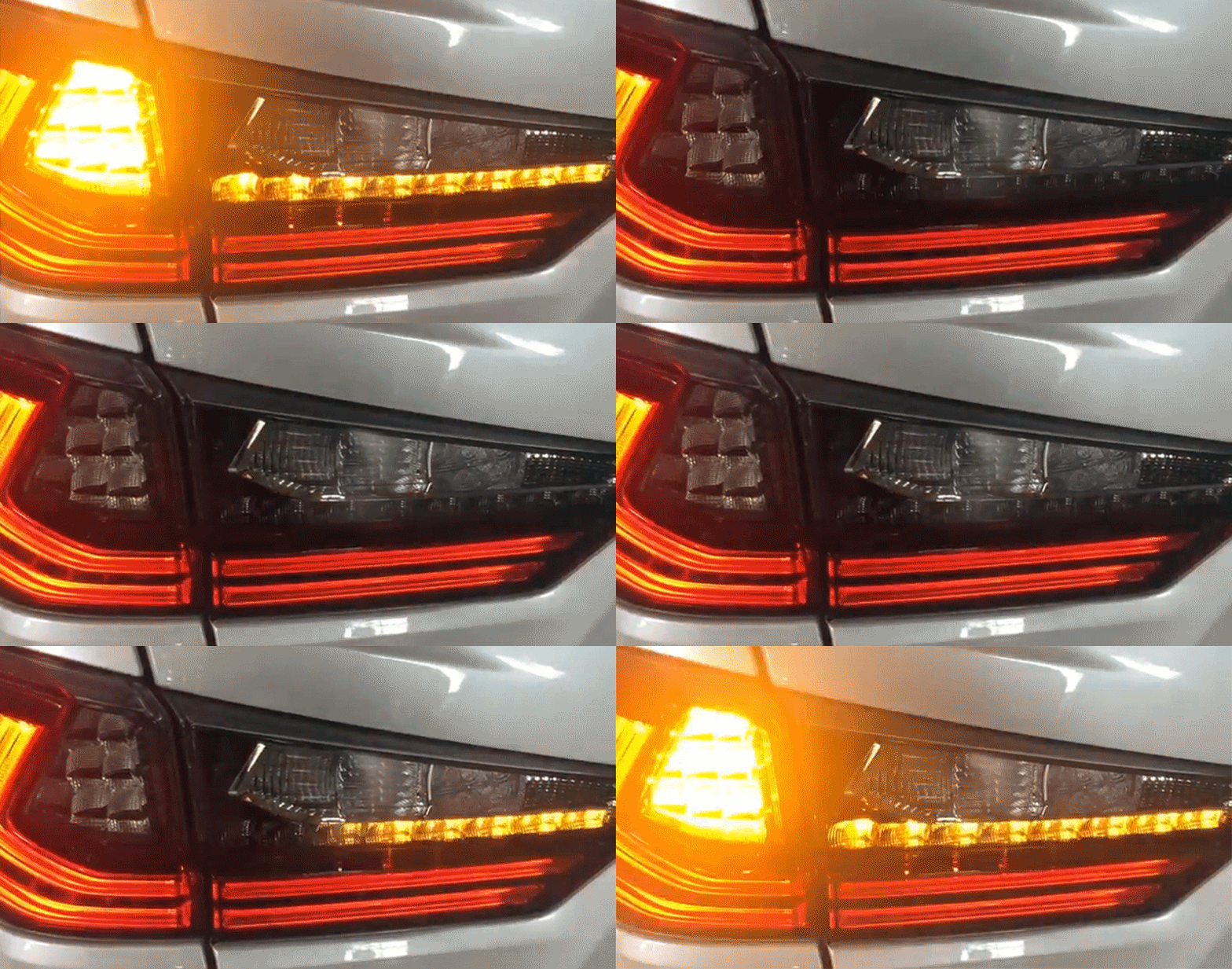

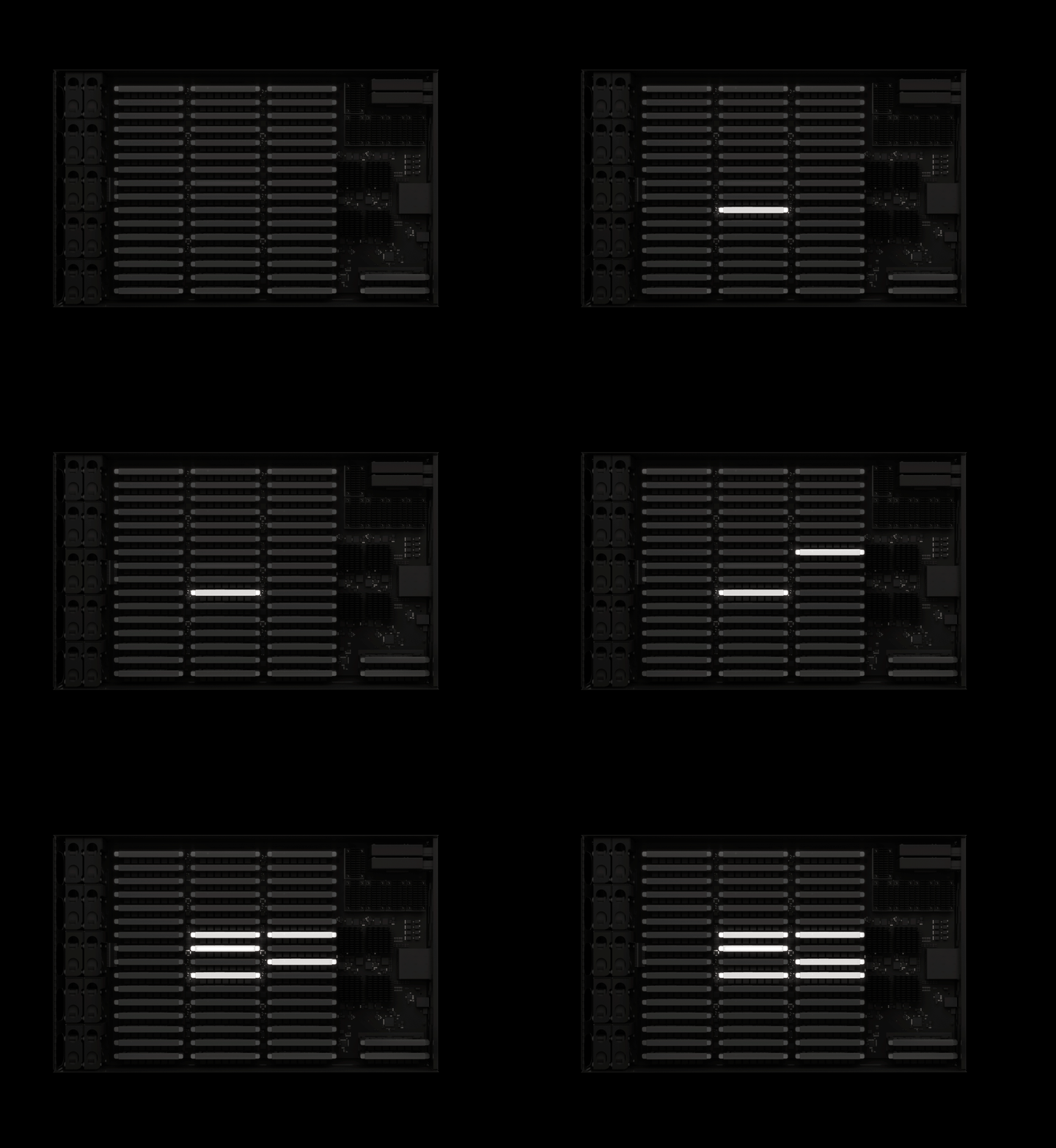
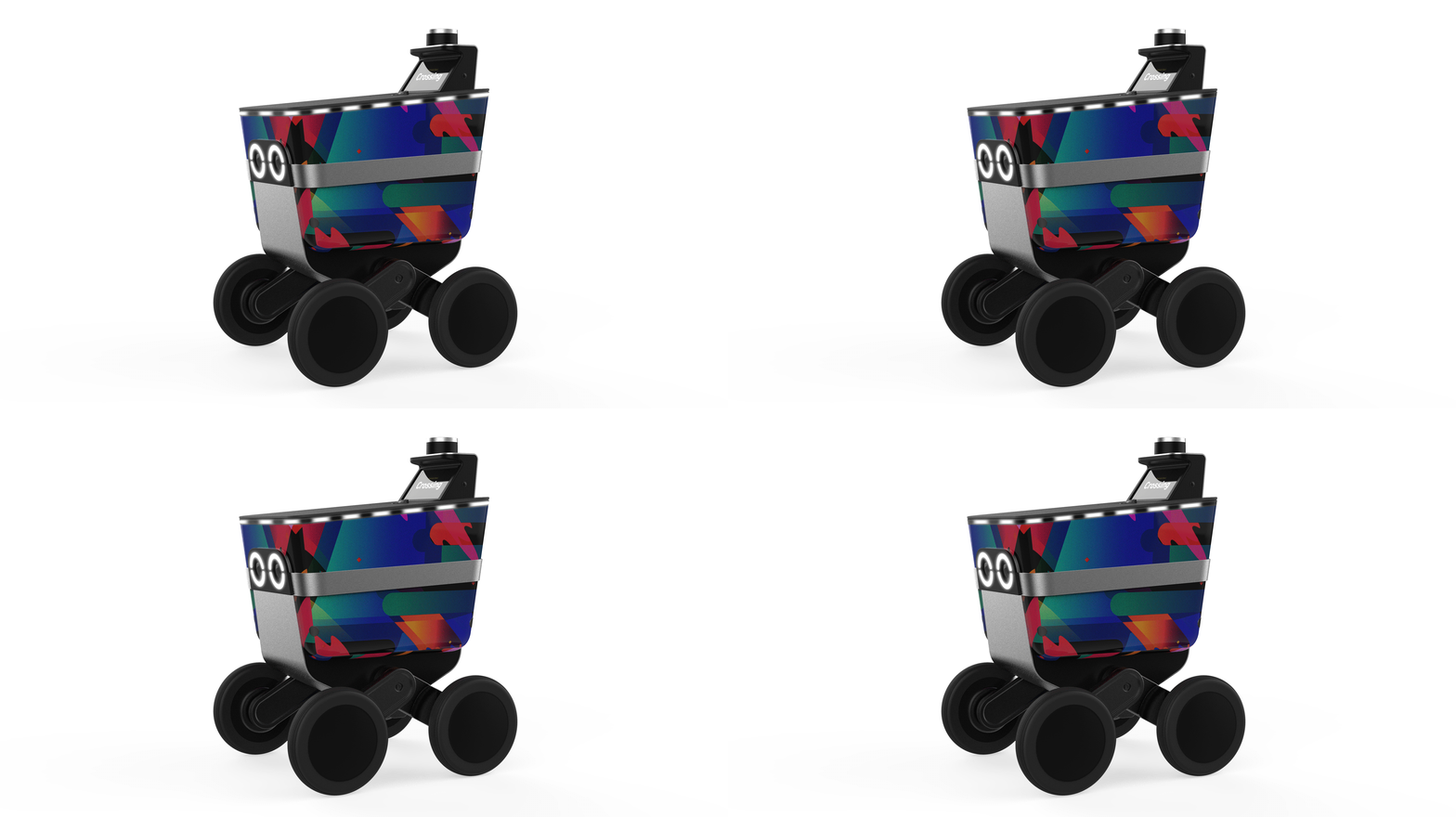
Creating interactive prototypes and animations helped convey different interactive and informative states utilizing the tech hardware.

The result
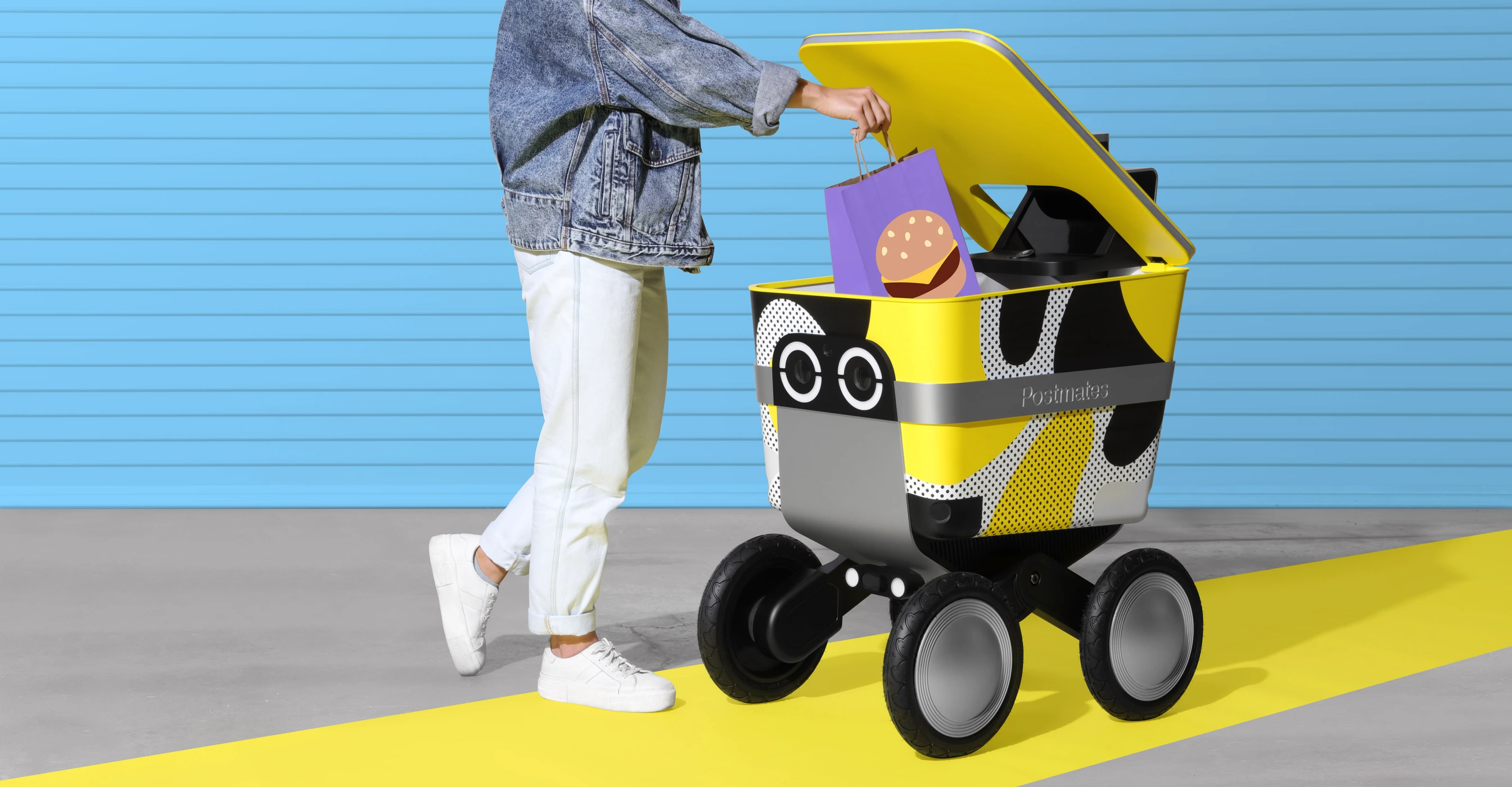
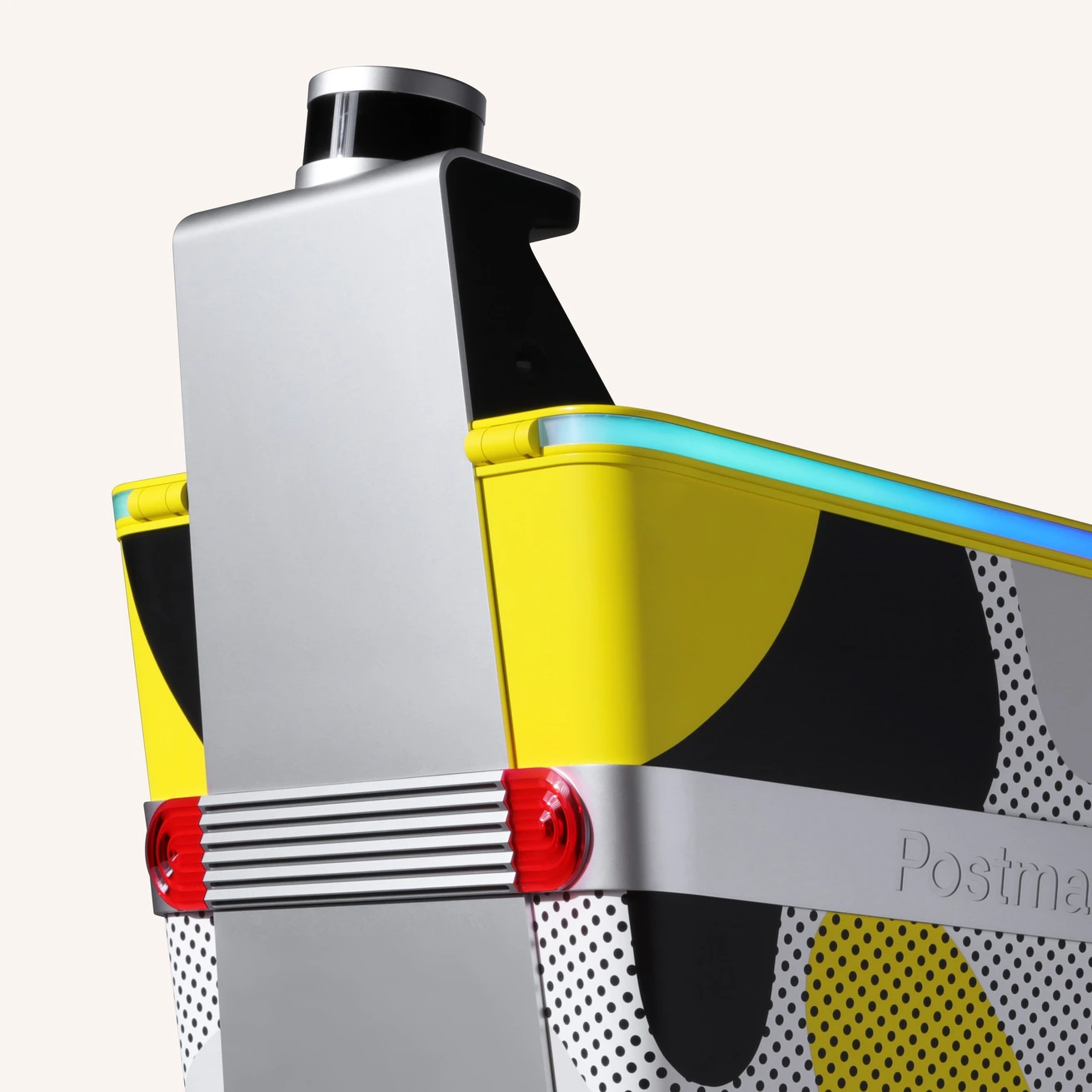
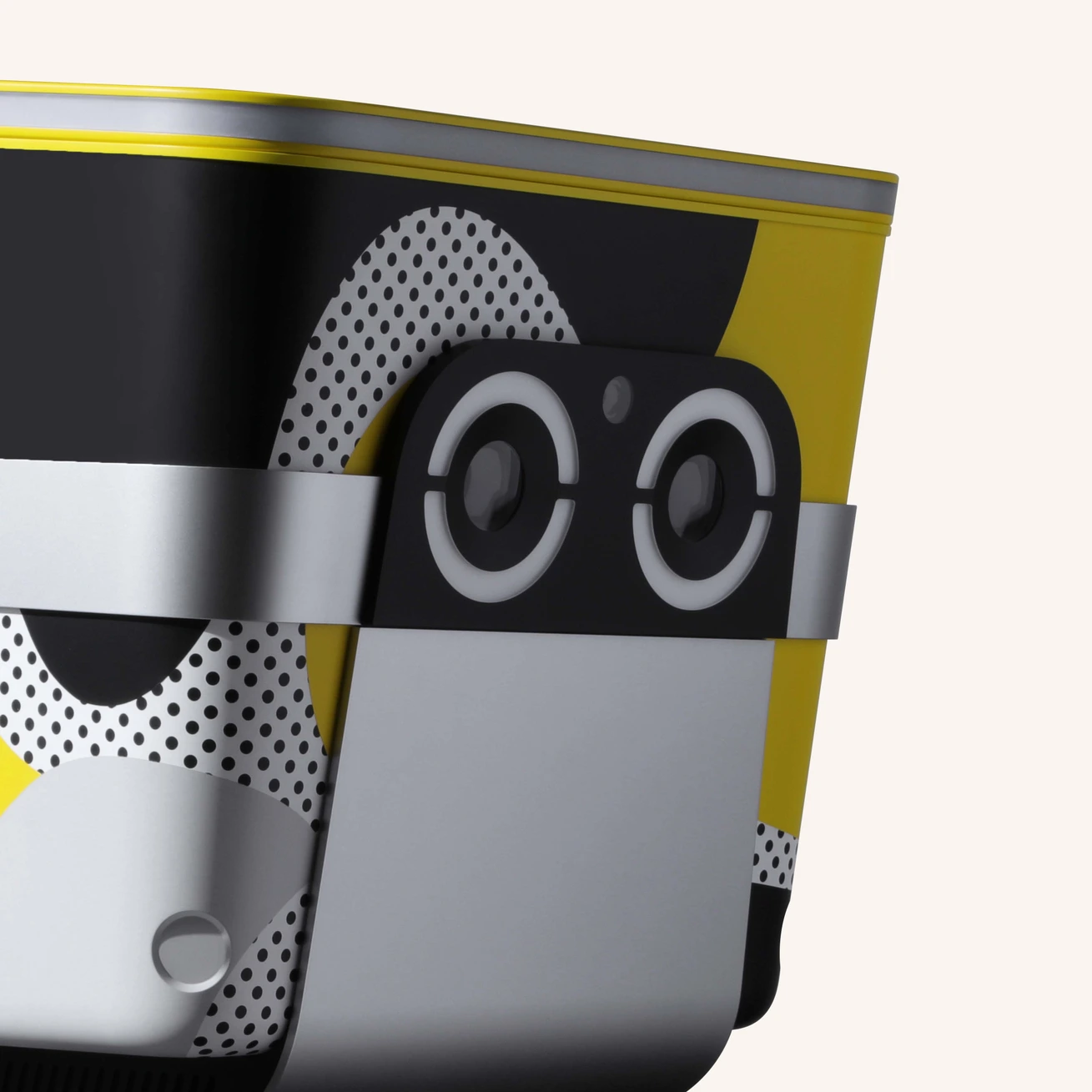
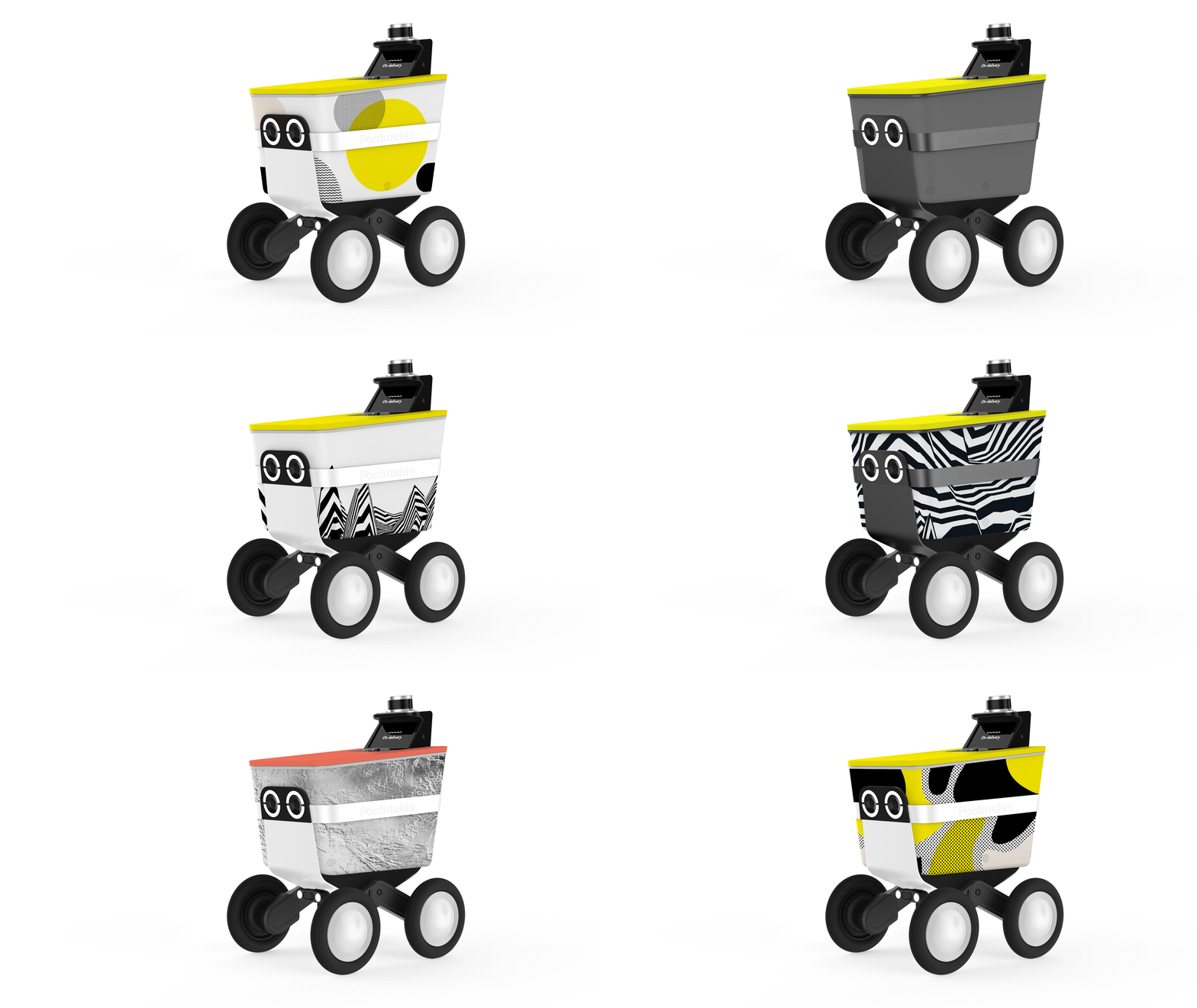
Vinyl wrapped "skins" offer the ability to change individual Serve identities and create new personas. These skins also offer potential collabs with brands and more neighborhood-specific identities.
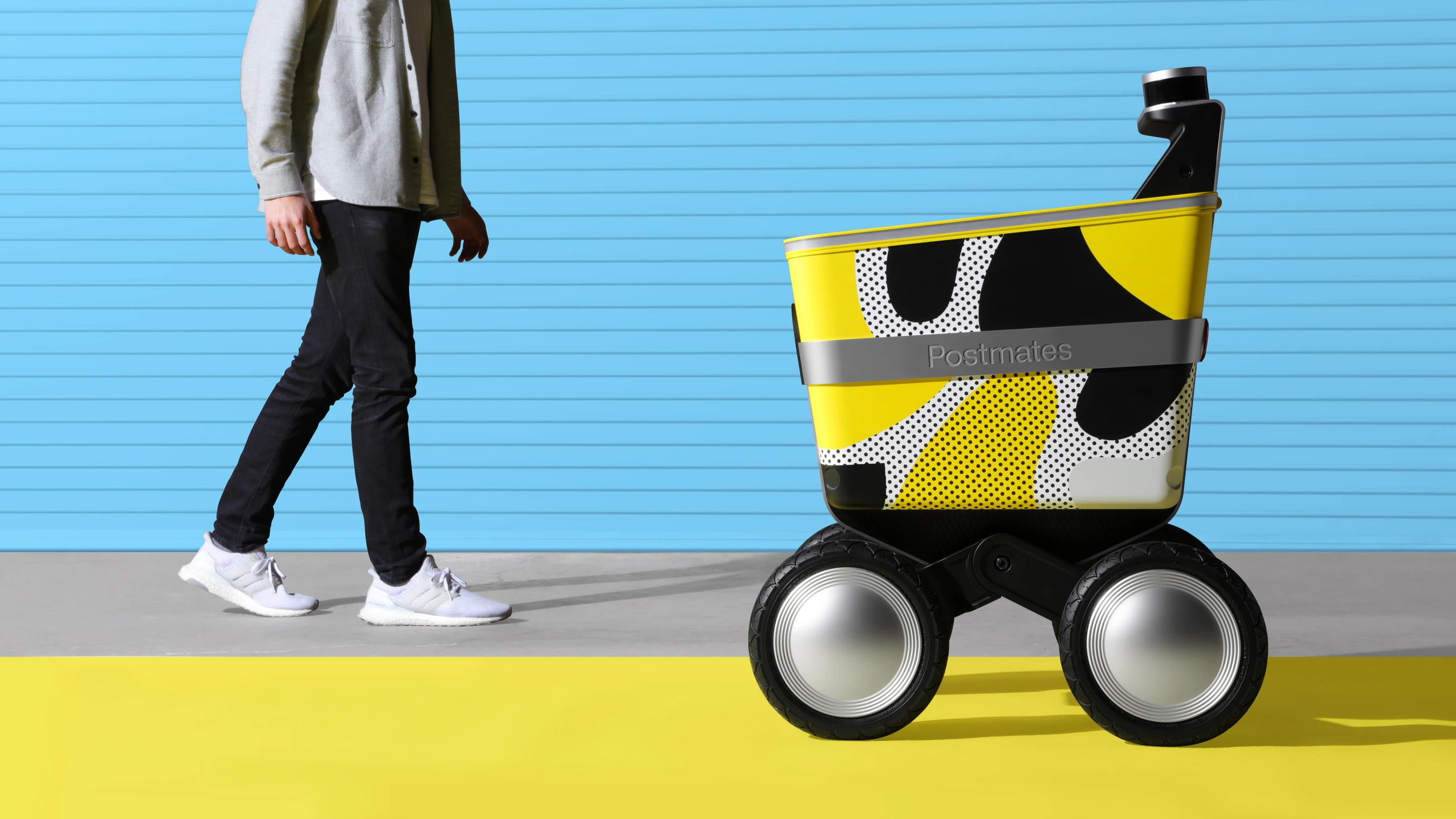
After launch, Serve Robotics was created as an independent company, separate from Postmates. Serve now operates a 2,000+ fleet in multiple cities, with multiple partnerships to deliver food and goods.

Postmates Serve
The goal
Postmates approached New Deal Design to design their first autonomous delivery robot for their on-demand delivery service and fit into their “Fresh AF” brand.
My role
Industrial design
UX/UI design
Duration
6 months
Team
5 Industrial designers
2 UX designers
Project manager
Project objectives


Become an integrated part of the urban environment.

Design a robot people will love.

Design a robot people will trust.
“Somehow, as a society, we are ok with the fact that we are moving a two-pound burrito 🌯 with a two-ton car 🚗.”
- Ali Kashani, former VP of Robotics at Postmates
Inspiration
“Funky Wheels”
“Delivery Tools”
“Robots We Love”
“Urban Infrastructure”
Industrial design to house an advanced tech stack
Designing an iconic delivery robot required extensive form exploration while seamlessly integrating a complex technology architecture. Early concepts pushed distinctive silhouettes while accommodating critical components such as LiDAR, ultrasonic sensors, batteries, and the drivetrain.
As the concept direction narrowed, quarter-scale models enabled rapid iteration on proportion and form, while full-scale mockups and detailed drawings validated scale, usability, and human interaction, ensuring the final form was both expressive and considered the tech.
Defining the interaction architecture
I worked with the UX team to define three levels of interaction: 5ft for customers and close onlookers, 10ft for passing pedestrians, and 30ft for vehicles. We then developed a visual interaction language for each level and mapped them across the full journey, from navigation and customer-facing moments to public, street-facing touch points.
Creating interactive prototypes and animations helped convey different interactive and informative states utilizing the tech hardware.
The result
Vinyl wrapped "skins" offer the ability to change individual Serve identities and create new personas. These skins also offer potential collabs with brands and more neighborhood-specific identities.
After launch, Serve Robotics was created as an independent company, separate from Postmates. Serve now operates a 2,000+ fleet in multiple cities, with multiple partnerships to deliver food and goods.

Postmates Serve
The goal
Postmates approached New Deal Design to design their first autonomous delivery robot for their on-demand delivery service and fit into their “Fresh AF” brand.
My role
Industrial design
UX/UI design
Duration
6 months
Team
5 Industrial designers
2 UX designers
Project manager
Project objectives

Become an integrated part of the urban environment.
Design a robot people will love.
Design a robot people will trust.
“Somehow, as a society, we are ok with the fact that we are moving a two-pound burrito 🌯 with a two-ton car 🚗.”
- Ali Kashani, former VP of Robotics at Postmates
Inspiration
“Funky Wheels”
“Delivery Tools”
“Robots We Love”
“Urban Infrastructure”
Industrial design to house an advanced tech stack
Designing an iconic delivery robot required extensive form exploration while seamlessly integrating a complex technology architecture. Early concepts pushed distinctive silhouettes while accommodating critical components such as LiDAR, ultrasonic sensors, batteries, and the drivetrain.
As the concept direction narrowed, quarter-scale models enabled rapid iteration on proportion and form, while full-scale mockups and detailed drawings validated scale, usability, and human interaction, ensuring the final form was both expressive and considered the tech.
Defining the interaction architecture
I worked with the UX team to define three levels of interaction: 5ft for customers and close onlookers, 10ft for passing pedestrians, and 30ft for vehicles. We then developed a visual interaction language for each level and mapped them across the full journey, from navigation and customer-facing moments to public, street-facing touch points.
Creating interactive prototypes and animations helped convey different interactive and informative states utilizing the tech hardware.
The result
Vinyl wrapped "skins" offer the ability to change individual Serve identities and create new personas. These skins also offer potential collabs with brands and more neighborhood-specific identities.
After launch, Serve Robotics was created as an independent company, separate from Postmates. Serve now operates a 2,000+ fleet in multiple cities, with multiple partnerships to deliver food and goods.